





Why Industrial Buyers Prefer Low Frequency Solar Inverters (And Why You Should Stock Them in 2026)
- What Is a Low Frequency Solar Inverter?
- Key Takeaways: Why LF Inverters Dominate Industrial Applications
- Data Comparison Table: Low Frequency vs. High Frequency for Industrial Loads
- 2026 Market Trends: Why Distributors Need to Stock LF Inverters Now
- Common Mistakes When Sourcing Industrial Solar Inverters
- Industry Leading Solution: Partnering with a Premier Low Frequency Solar Inverter Manufacturer
- Conclusion
- Frequently Asked Questions
- What makes low frequency inverters better for heavy loads?
- How long do low frequency solar inverters last?
- Why are low frequency inverters heavier?
- What is the surge capacity of a low frequency inverter?
- Are low frequency inverters good for off-grid systems?
- How do I choose the right solar inverter manufacturer?
- What is the difference between a high and low frequency inverter?
- Can a low frequency inverter run an air conditioner or compressor?
The renewable energy landscape is shifting rapidly, and commercial contractors are demanding more robust, fail-safe hardware. As a premier low frequency solar inverter manufacturer, we have seen firsthand how industrial buyers are moving away from lightweight electronics in favor of heavy-duty, transformer-based architectures. For B2B distributors, understanding this shift is critical for maximizing ROI and minimizing warranty claims in 2026 and beyond.
What Is a Low Frequency Solar Inverter?
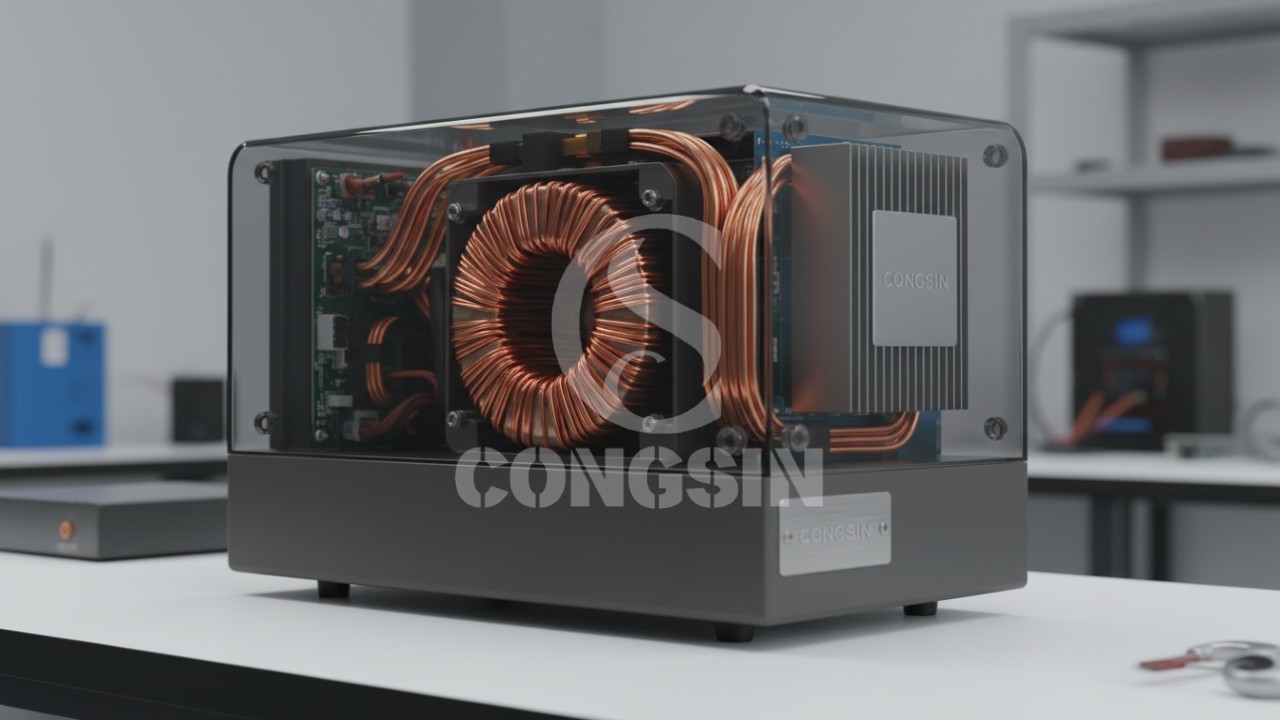
A low frequency solar inverter is a heavy-duty power conversion device that utilizes a massive copper magnetic transformer to convert DC to AC power. Operating at standard frequencies of 50Hz or 60Hz, these inverters are engineered to handle massive electrical surges from inductive loads without sustaining damage.
Unlike high-frequency models that rely on smaller, more fragile electronic components, the robust build of a low frequency inverter makes it the gold standard for industrial and heavy commercial use. When a factory motor or a commercial compressor starts, it demands a massive influx of power. A low frequency unit absorbs this spike effortlessly through its physical copper mass, whereas a high-frequency unit might overload or fail. This fundamental difference in physical engineering is why heavy industry relies exclusively on low frequency architecture.
Key Takeaways: Why LF Inverters Dominate Industrial Applications
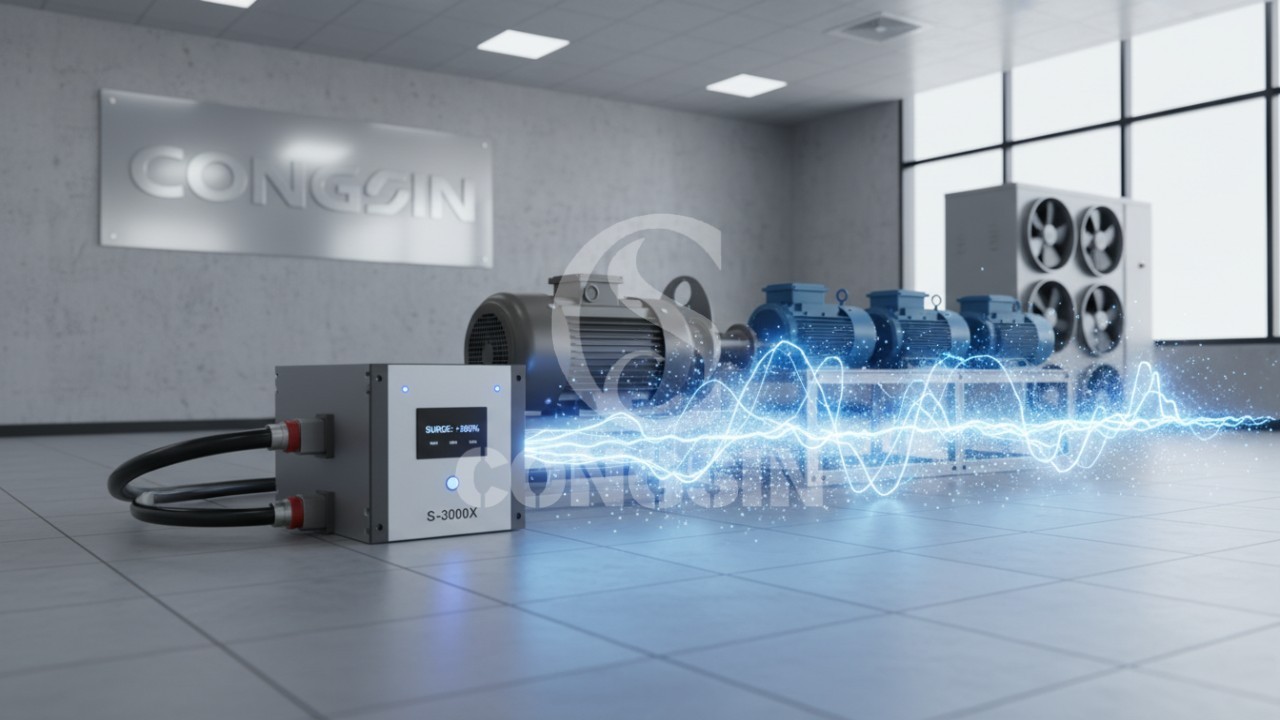
Low frequency inverters dominate industrial settings because their transformer-based architecture provides unmatched surge capacity, superior durability, and cleaner power. This translates directly to a higher return on investment and fewer warranty claims for B2B distributors.
- Unmatched Surge Capacity: Capable of handling up to 300% of their rated power for up to 20 seconds. This is an absolute necessity to start heavy machinery, industrial pumps, and HVAC systems without tripping system breakers.
- Superior Durability: Transformer-based designs drastically reduce the failure rate in harsh environmental conditions. They are highly resistant to extreme heat, humidity, and dust, making them ideal for remote off-grid mining or agricultural sites.
- Lower Total Harmonic Distortion (THD): As detailed by Wikipedia, THD is a measurement of the harmonic distortion present in a signal, and lower THD implies lower peak currents, less heating, and lower electromagnetic emissions. By providing a cleaner, pure sine wave, these inverters protect sensitive industrial equipment, such as Programmable Logic Controllers (PLCs), from erratic electrical noise.
- Distributor ROI: Higher upfront value translates to better profit margins and significantly lower warranty return rates for any solar inverter B2B distributor. When you sell a product that doesn't fail under pressure, your B2B relationships strengthen.
Data Comparison Table: Low Frequency vs. High Frequency for Industrial Loads
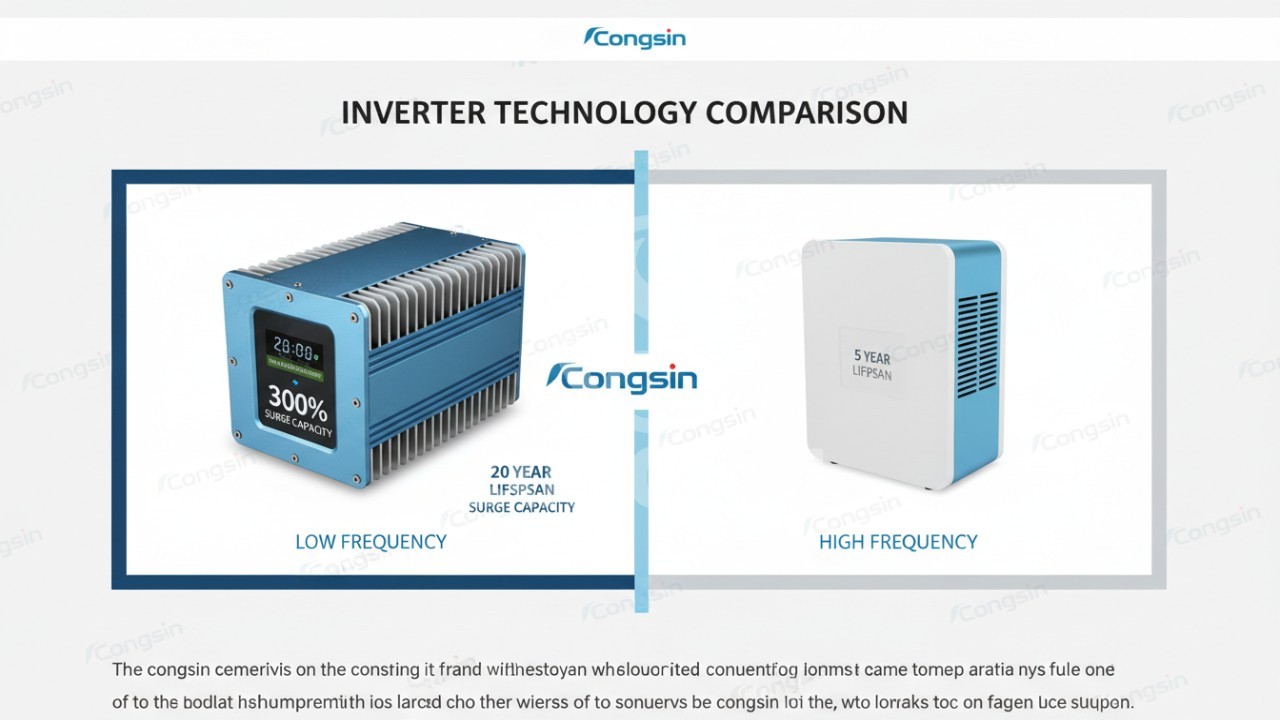
When conducting a low vs high frequency inverter comparison, the data clearly shows that low frequency models offer superior surge capacity and longevity for industrial loads, while high frequency models are better suited for lightweight, residential electronics.
We have compiled a comprehensive data comparison table below to illustrate the exact performance metrics that matter to industrial buyers.
2026 Market Trends: Why Distributors Need to Stock LF Inverters Now
As global industrial sectors increasingly shift toward decentralized off-grid solar, the demand for high-capacity, robust inverters is skyrocketing. Supply chain analyses for 2026 indicate a 24% increase in B2B procurement for transformer-based inverters.
According to a comprehensive market analysis by Grand View Research, the industrial segment led the off-grid solar market by accounting for over 40% of the revenue share, driven by the need to power remote manufacturing and construction sites. Stocking LF inverters now allows distributors to capture this lucrative commercial contractor market, which prioritizes absolute reliability over a lightweight footprint.
Furthermore, as grid instability becomes a more pressing issue globally, businesses are investing heavily in their own microgrids. Early adopters in wholesale distribution are seeing higher profit margins by offering heavy-duty solar inverters for wholesale due to the premium nature of industrial solar equipment. Distributors who fail to stock these robust units will miss out on large-scale procurement contracts from commercial developers.
Common Mistakes When Sourcing Industrial Solar Inverters
The most common mistake buyers make is specifying a high-frequency inverter for a site that relies heavily on inductive loads. Proper sizing and understanding ambient temperature limitations are critical to preventing costly industrial downtime.
- Expert Tip: Never spec a high-frequency inverter for a site relying heavily on inductive loads. As industry resources explain, inductive loads are devices with moving parts, such as electric motors and transformers, that produce a magnetic field and resist changes in current flow. These loads require massive starting currents that will instantly fry standard electronic inverters.
- Mistake: Ignoring the ambient temperature of the installation site. A transformer based solar inverter handles ambient heat much better due to larger internal spacing, robust copper coils, and heavy-duty aluminum heatsinks.
- Mistake: Sourcing solely based on weight to save on international shipping costs. While high-frequency inverters are cheaper to ship, the heavy copper transformer inside a low frequency unit is precisely what provides the necessary surge protection and longevity.
- Expert Tip: Always verify the continuous power rating versus the peak power rating with your manufacturer. An inverter might boast a 10kW peak, but if its continuous rating is only 3kW, it will fail to sustain an industrial load, leading to catastrophic operational downtime.
Industry Leading Solution: Partnering with a Premier Low Frequency Solar Inverter Manufacturer
To guarantee high performance and supply chain reliability, distributors must partner with an established industrial solar inverter supplier. Guangzhou Congsin Electronic Technology Co., Ltd. provides rigorously tested, industrial-grade solutions backed by decades of manufacturing expertise.
Founded in early 1998, Guangzhou Congsin Electronic Technology Co., Ltd. brings over 27 years of focused experience to the global energy market. Our industry-leading solutions include rigorously tested, industrial-grade low frequency inverters designed specifically for the extreme rigors of commercial off-grid environments. By sourcing from a dedicated manufacturer, you gain access to customized voltage regulations, integrated protection mechanisms, and dedicated B2B wholesale support.
We operate fully automated production lines, utilizing advanced instrumentation and multifunctional testing equipment to ensure product reliability, efficiency, and intelligent functionality. Environmental and safety compliance are built into our DNA: our quality management system is ISO9001 certified, and our extensive catalog of over 100 models holds international approvals such as CE, EMC, LVD, ETL, FCC, RoHS, and E-MARK.
Case studies from our global distribution partners across Europe, the Americas, the Middle East, Africa, and Southeast Asia highlight a remarkable 40% reduction in RMA requests after switching to our transformer-based models. We proudly offer comprehensive OEM/ODM services, private labeling, distribution support, and bespoke customization to meet the exact specifications of our B2B partners.
Conclusion
Industrial buyers demand the unyielding reliability, clean power, and massive surge capacity that only low frequency solar inverters can provide. For distributors, stocking these robust units means capturing higher margin commercial projects, drastically reducing warranty claims, and securing long-term B2B relationships in a highly competitive 2026 market.
Frequently Asked Questions
What makes low frequency inverters better for heavy loads?
They use a large magnetic transformer that can absorb massive power surges from inductive loads like motors and compressors without overheating or failing.
How long do low frequency solar inverters last?
Due to their robust, transformer-based construction and lower reliance on fragile electronic components, they typically last 15 to 20 years with proper maintenance.
Why are low frequency inverters heavier?
The weight comes from the massive copper coils inside the toroidal or EI transformer, which is essential for handling high peak power surges and heat dissipation.
What is the surge capacity of a low frequency inverter?
Most high-quality low frequency inverters can handle a peak surge of up to 300% of their continuous power rating for up to 20 seconds.
Are low frequency inverters good for off-grid systems?
Yes, they are highly recommended for off-grid systems because they provide incredibly stable power, handle erratic loads seamlessly, and are extremely durable in harsh environments.
How do I choose the right solar inverter manufacturer?
Look for a manufacturer that provides clear technical data, robust warranty terms, OEM/ODM services for distributors, and proven case studies in industrial applications.
What is the difference between a high and low frequency inverter?
High frequency inverters use electronic switching and are lightweight, cheaper, and best for small electronics. Low frequency inverters use copper transformers, are heavier, and are designed to start heavy machinery.
Can a low frequency inverter run an air conditioner or compressor?
Absolutely. In fact, low frequency inverters are the preferred choice for air conditioners and compressors because they can effortlessly absorb the initial start-up spike these appliances demand.
Contact Guangzhou Congsin Electronic Technology Co., Ltd. today to discuss your specific needs.


Pure Sine Wave Inverters
What capacity battery is needed to drive a 1000W electric kettle?
It is recommended to match with a 12V 100Ah or larger capacity battery. When a 1000W electric kettle is working, the power consumption per hour is about 83Ah (1000W÷12V≈83A), and a 100Ah battery can support continuous work for about 1 hour (actual battery life is affected by battery aging).
Modified Sine Wave Inverters
What capacity battery can be used with it?
It is recommended to use a 12V 100Ah-200Ah lead-acid battery or lithium battery; the larger the battery capacity, the longer the UPS power supply time (e.g., a 100Ah battery can support a 100W device to work continuously for about 10 hours).
Which regional plugs are supported by the universal socket?
The universal socket is compatible with most national plug specifications, such as GB, US, EU, etc. (some require adapters), and can meet the use of devices in different regions.
Can the peak 720W supply power continuously?
The peak power is the instantaneous maximum power, and the continuous power supply is 360W. Ensure that the device power does not exceed the rated value when using.
Is it a pure sine wave or a modified sine wave? What's the difference?
This is a modified sine wave inverter, suitable for most conventional home appliances and electronic devices; pure sine wave is suitable for precision devices with extremely high power requirements. This modified sine wave is more cost-effective at 2000W, meeting the needs of most scenarios.
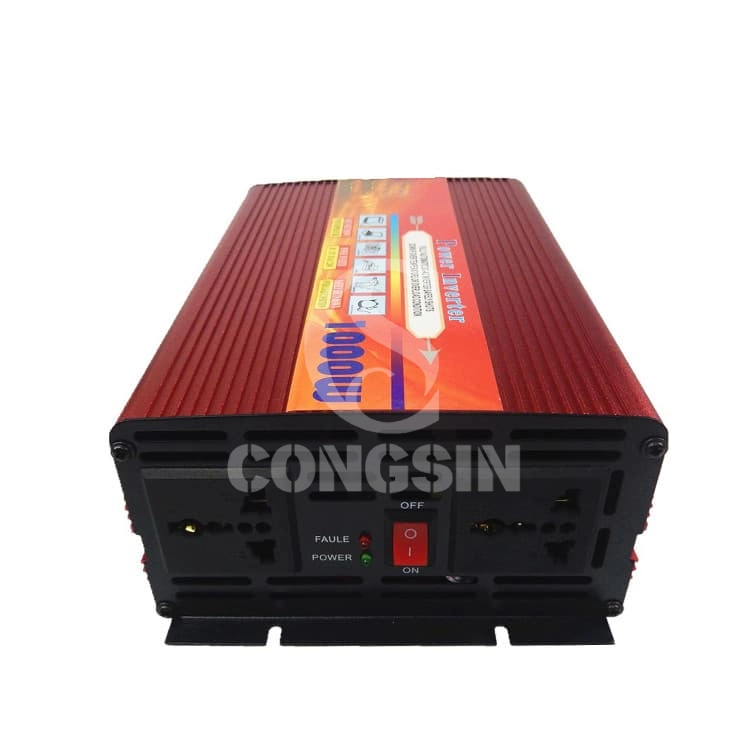
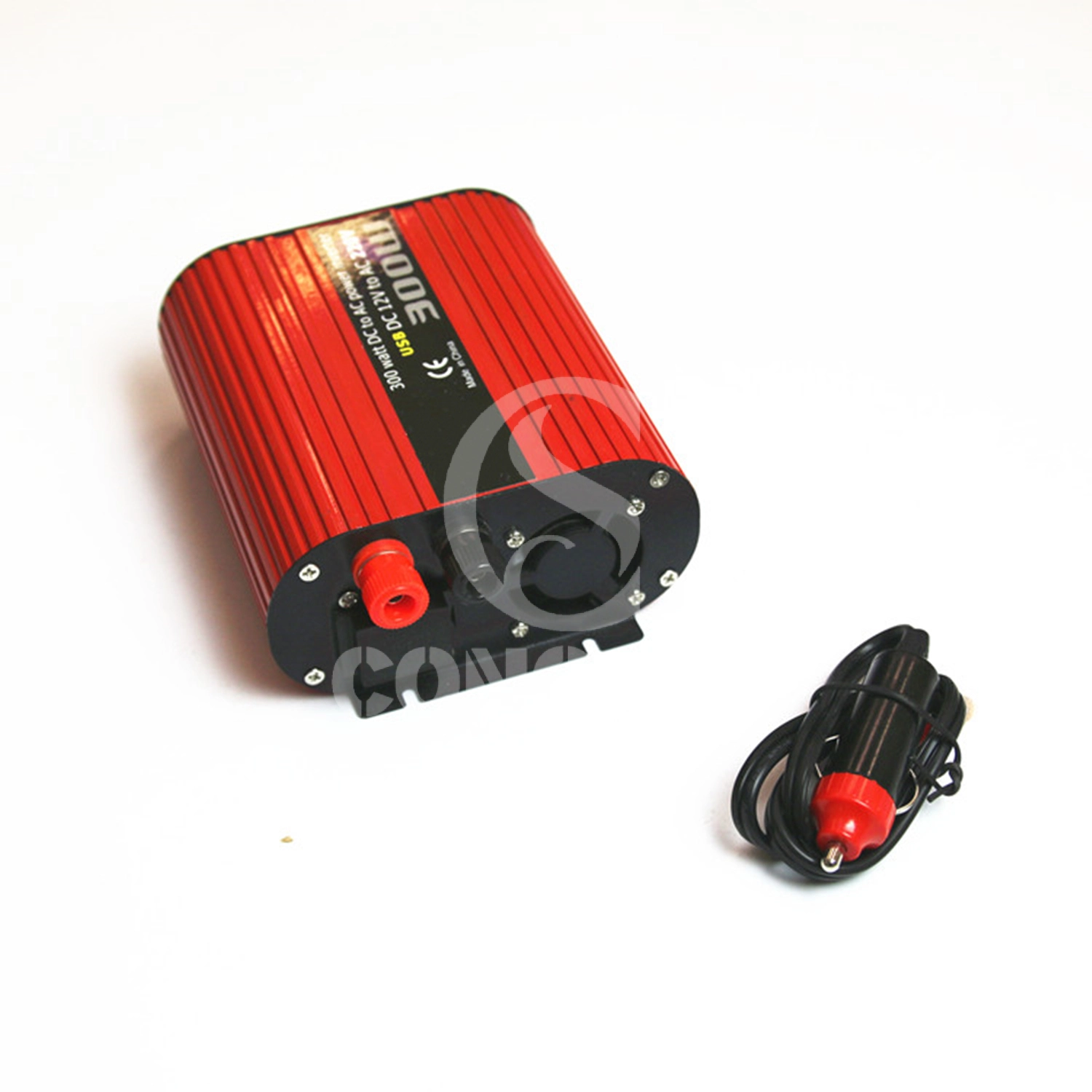
Congsin's Portable 150W Modified Sine Wave Inverter powers your journey! This versatile Car Power Inverter with USB acts as a reliable 12V to 220V converter, ensuring an essential off-grid power supply. With dual USB ports and a universal socket, enjoy convenient power on the go.
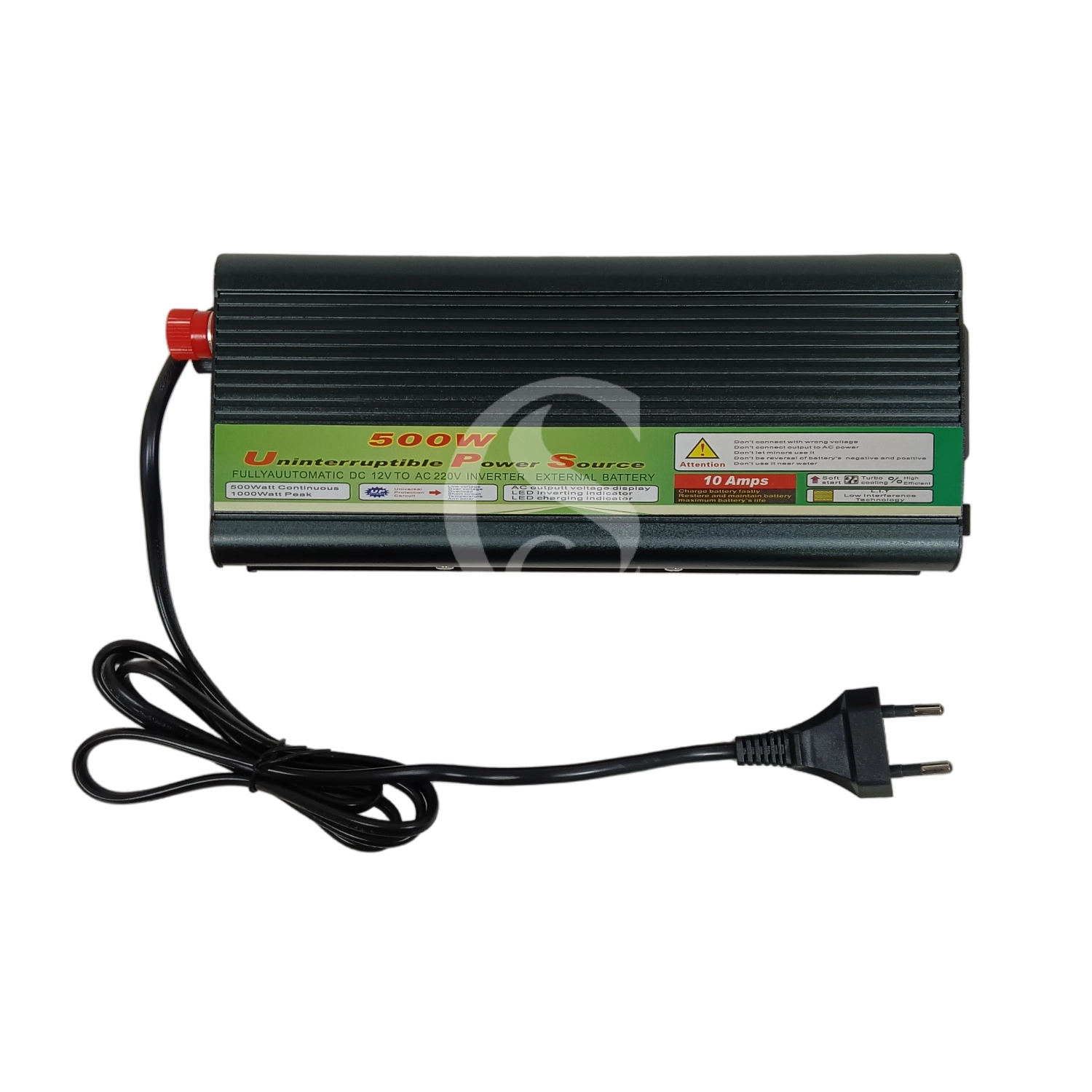
Congsin 500W 12V to 220V inverter delivers reliable off-grid power with its modified sine wave design. This portable 500W DC to AC power inverter efficiently converts 12V DC to 220V AC, ideal for outdoor and emergency use. Trust Congsin for stable, portable energy solutions.
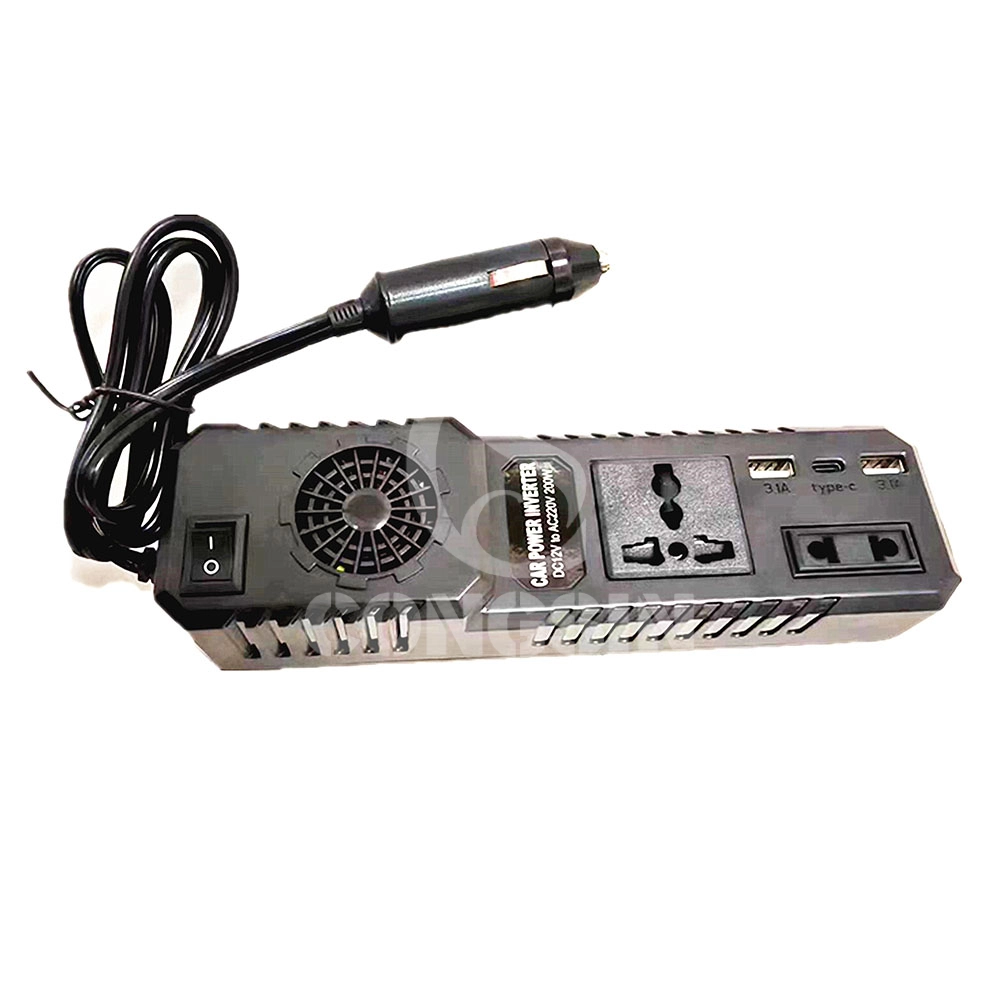
This 200W Modified Sine Wave Car Power Inverter is a compact and practical power conversion device designed for vehicle use. It supports dual input (DC12V/24V) and outputs AC220V, compatible with various electronic devices. Equipped with a Type-C port and dual 3.1A USB outputs, it can charge laptops, phones, cameras, drones, and other small electronics simultaneously—perfect for outdoor travel, emergency backup, and mobile work scenarios.
Get in Touch with Our Team
You can also communicate with us directly through our online contact form. Please fill in the following information, and our team will contact you as soon as possible after receiving your message.

CONGSIN is a trusted OEM factory for power inverters, solar charge controllers, and DC converters. Reliable solutions for global B2B buyers.
 High Quality
 7/24 Service
 Guaranteed Warranty
© 2025 Congsin. All Rights Reserved.
 WeChat
 Scan QR Code
sin cong
teaimei10
Whatsapp: +8618028086791
Scan QR Code